Feline Diabetes: How a Low-Carb Diet Drives Remission
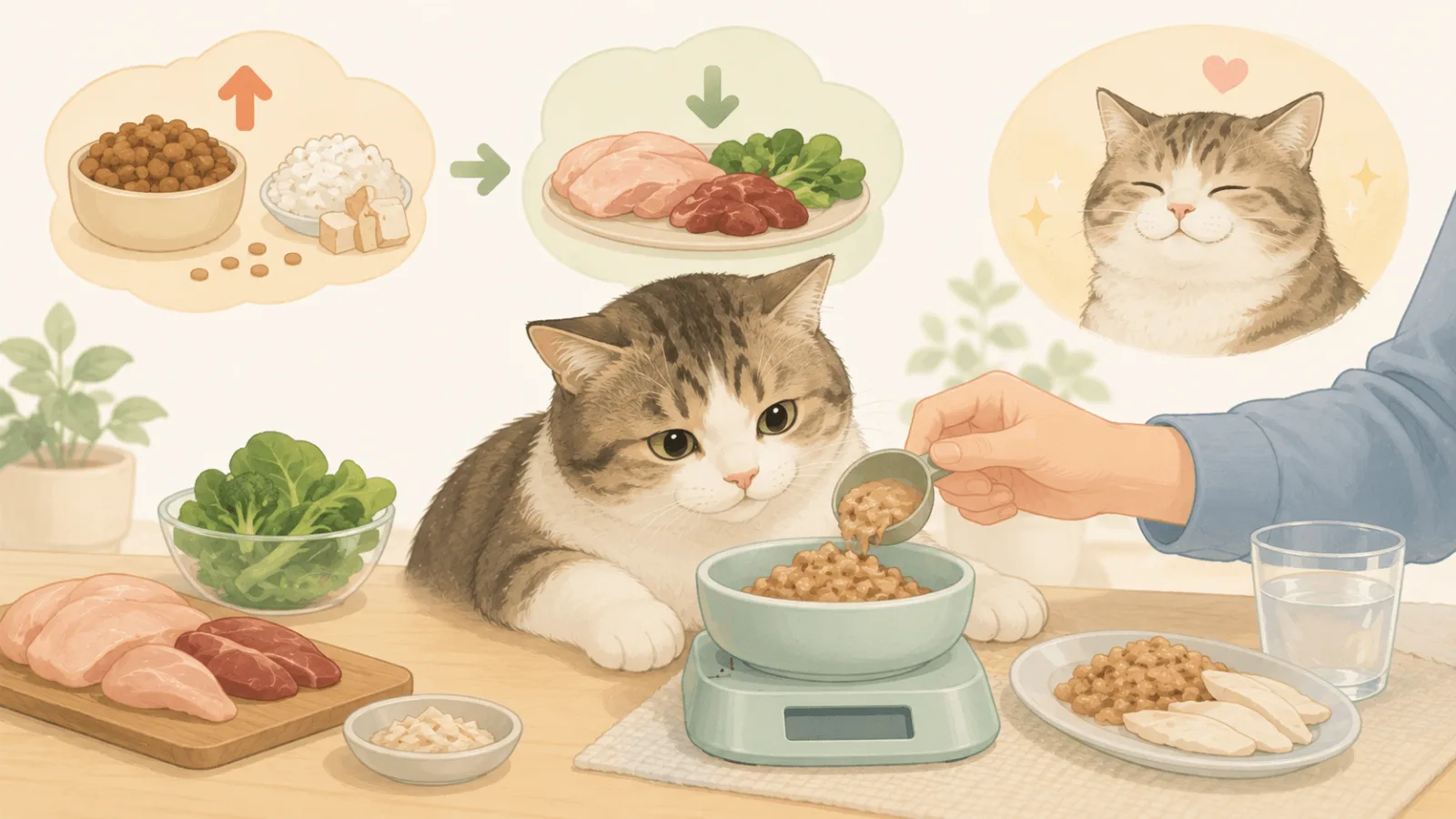
Feline diabetes mellitus closely resembles type 2 diabetes in humans — and it comes with one uniquely hopeful trait: with early, proper management, many cats reach "remission" and come off insulin entirely. Half of that key is food.
1. Why it happens: carbs pile up in an obligate carnivore
Cats are obligate carnivores — their ability to handle carbohydrates is inherently limited, right down to the liver enzymes they use to process sugar. Modern cat life pushes the other way: high-carb dry food left out all day, low activity, and easy weight gain after neutering.
- Obesity: the biggest risk factor. Excess fat tissue causes insulin resistance.
- Age & sex: more common in middle-aged and older cats, especially neutered males.
- Steroid history: long-term corticosteroid treatment raises the risk.
- Glucose toxicity: sustained high blood sugar itself exhausts the pancreas's insulin-producing cells — a vicious cycle. That is why lowering blood sugar quickly is how you save the pancreas.
2. Signs: remember this combination
- Drinking & urinating more: noticeably more water, bigger and more frequent urine clumps.
- Eating well but losing weight: unable to use glucose, the body burns muscle and fat. Good appetite + weight loss is a loud alarm.
- Weak hind legs: walking flat on the hocks (plantigrade stance) is the classic sign of diabetic neuropathy.
- Dull coat, lethargy
3. Diagnosis: why one glucose reading is never enough
Clinic stress alone can push a cat's blood sugar near 300 mg/dL. So diabetes is never confirmed on a single high reading — these are combined:
| Test | What it tells you |
|---|---|
| Blood glucose | Is it persistently high? Must be separated from stress hyperglycemia. |
| Fructosamine | Reflects the average glucose of the past 1–2 weeks — the key stress-proof marker. |
| Urine glucose & ketones | Is sugar spilling into urine? Any ketoacidosis risk? |
| fPLI (pancreatic enzyme) | Many diabetic cats have concurrent pancreatitis — worth checking together. |
4. Diet: low-carb, high-protein is the formula
International consensus (ISFM and others) is clear: keep carbohydrates at roughly 12% of metabolizable energy (ME) or less, with plenty of quality protein. Lower carbs mean smaller post-meal glucose swings, better insulin response, and better odds of remission.
Practical rules
- Wet food first: canned diets are generally lower in carbs and cover hydration too. If your cat insists on kibble, choose one low in grains, potato and starch.
- The label trap — carbs are not printed: pet food labels do not list carbohydrates. You have to back-calculate (NFE) by subtracting protein, fat, moisture and ash from 100. If that sounds tedious, see the tool note below.
- Lose weight slowly: for an obese cat, weight loss is itself treatment — but never more than 0.5–2% of body weight per week. Crash-dieting a cat invites hepatic lipidosis, an even more urgent disease.
- Watch the treats: many lickable treats contain added sugars. Skip products listing sugar, syrup or glucose.
- Comorbidities change priorities: with concurrent kidney disease (CKD) phosphorus limits matter; with pancreatitis, digestibility does. Design that diet with your vet.
5. Insulin and meal timing
- Most cats are managed with insulin every 12 hours. Long-acting insulins such as glargine (Lantus) and detemir are reported to give the best remission rates in cats.
- Confirm eating before injecting: meals are generally paired with injection time so insulin never goes in on an empty stomach (hypoglycemia risk). If the cat won't eat, follow your vet's instructions on whether to inject.
- Free-feeding vs scheduled meals: with long-acting insulin, grazing is often fine — what matters is that the daily total and pattern stay consistent. Erratic eating is the enemy of glucose control.
- Home monitoring: ear-prick glucometers or continuous monitors (e.g., Libre) show the real glucose curve without clinic stress — hugely helpful for dose adjustment.
6. Remission: the cats that quit insulin
Cats that reach good glucose control quickly (within months of diagnosis) have a real chance of remission — highest when low-carb diet, proper insulin and weight loss start early together. The longer high glucose persists, the more the pancreas burns out (glucose toxicity), so remember: the first six months after diagnosis are the golden window.
7. Hypoglycemia: the real emergency
The most dangerous moment in diabetes care is not high sugar but low sugar. If you see wobbling, vacant eyes, drooling, seizures or collapse:
- If conscious, feed immediately.
- If unable to eat, rub honey, syrup or glucose gel on the gums and go straight to the vet.
- Not sure whether the insulin shot was already given? Skipping is the safe choice. One high reading is far less dangerous than one double dose.
Does this food meet diabetic targets? Let the app do the math
Don't back-calculate unlabeled carbs by hand. The [Disease] tab on every product page converts nutrition to a per-1000kcal basis and automatically checks it against diabetes (DM) targets. Register your cat's condition in their profile for a personalized verdict — and log daily meals, weight and glucose in the Care Diary.
References
- Sparkes AH, et al. ISFM consensus guidelines on the practical management of diabetes mellitus in cats. J Feline Med Surg. 2015.
- Behrend E, et al. 2018 AAHA Diabetes Management Guidelines for Dogs and Cats. JAAHA. 2018.
- Rand JS. Feline diabetes mellitus. In: BSAVA Manual of Canine and Feline Endocrinology.
- Zoran DL, Rand JS. The role of diet in the prevention and management of feline diabetes. Vet Clin North Am Small Anim Pract. 2013.